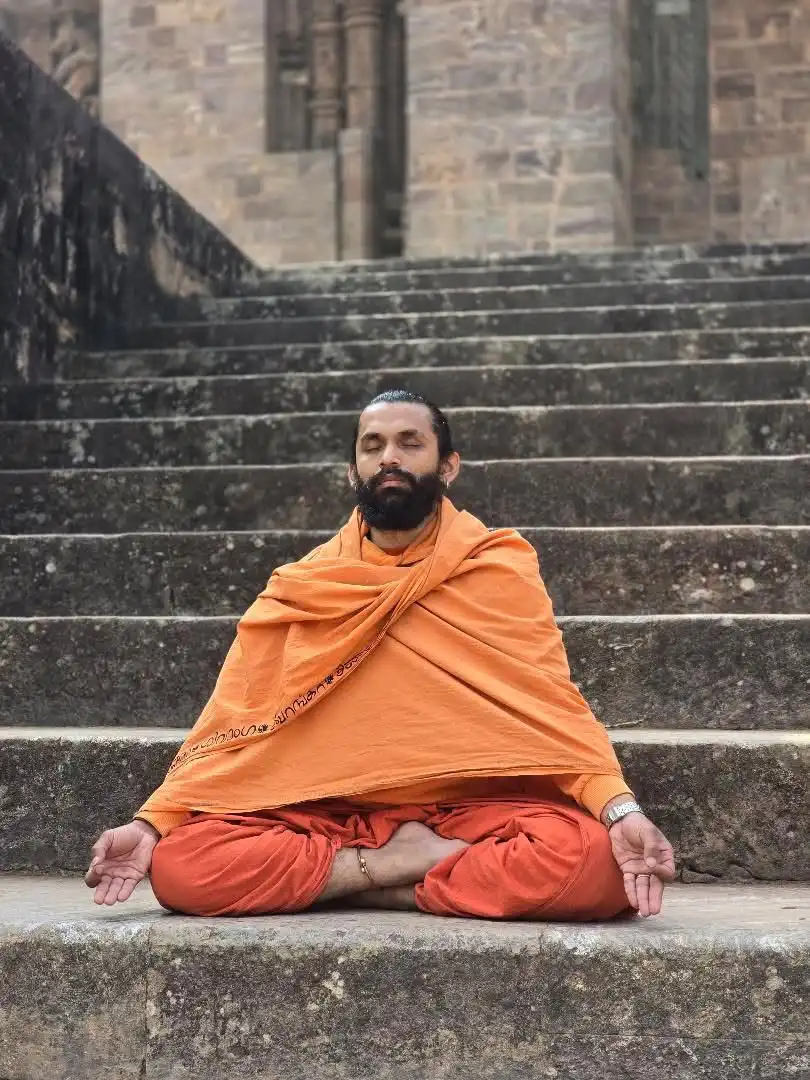
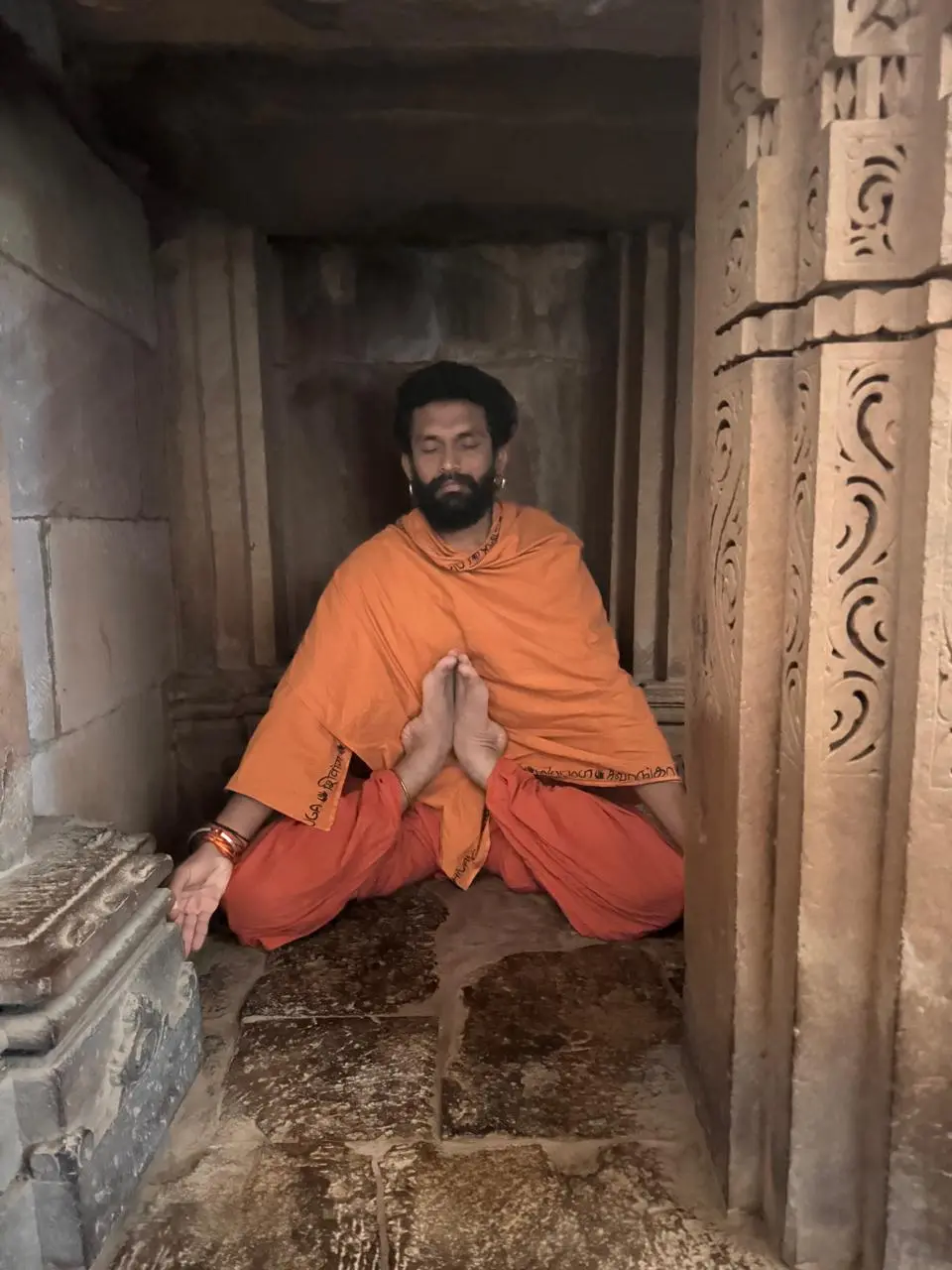
Why does Kandasana demand so much from us?
Getting into advanced yog isn’t just about stretching deeper or holding a pose longer. It’s really about looking inward and exploring the subtle energy patterns that make up who we are. Take Kandasana, for example this isn’t just an advanced posture; it’s a doorway right to the heart of the subtle body.
Add in Yoni Mudra and Hastapadika, and Kandasana turns into something even more powerful. Together, they wake up the Kanda Nadi the source where our vital energy springs from.
Let’s break this down. The first part is for beginners. Next, I’ll walk those with some experience through the inner details. Finally, the last sections go deeper for folks already working with pranayama and bandha, especially if you’re curious about what’s happening in your nervous system.
For beginners: What’s a nadi, and why focus on the “root”?
Traditional yog isn’t just about muscles and bones. Beneath all that, there’s a network of nadis think of them like energy channels, carrying prana (life force) much like veins carry blood. The texts say there are 72,000 of these, but three really matter:
- Ida: cooling, receptive, on the left
- Pingala: heating, active, on the right
- Sushumna: the main channel running right up your spine
Kanda means “root” or “bulb.” This is where these three big nadis begin the hidden start point for all of them. If that root isn’t active and healthy, trying to force energy up the spine is like watering leaves while the roots are bone dry.
So before you even think about tackling Kandasana, you’ll probably spend years prepping: sitting postures, opening your hips, steady breathing. You can’t rush it, and honestly, why would you? Laying the groundwork is the real practice.
Getting to know the Kanda: Where your energy begins
Inside your energetic body, the Kanda Nadi sits in the lower belly, just above the pelvic floor. It’s often described as a soft, cloud-like pouch, white and a little mysterious.
This pouch is the meeting point for Ida, Pingala, and Sushumna. All three start here, branch out, and eventually come back together at the Ajna chakra (between your eyebrows).
The Kanda’s sensitive. If your pelvis or lower back is tight and worn out, it contracts and energy gets stuck. But when things down there are open and moving, the Kanda softens and prana starts to flow naturally.
How Kandasana fires up your nervous system
Kandasana is special because it doesn’t just challenge the body; it wakes up hidden centers in both body and mind. It's more than just striking a pose. You basically end up sitting in an active meditation.
Here’s what’s really interesting: this posture gently warms the cerebrospinal fluid (CSF) in the lumbar region the little pool of CSF at the base of your spine. As the fluid rises back up, it gives your whole central nervous system a soft jolt. But that rise needs to be slow it filters the wild energy of Kundalini into something you can actually handle. That way you get awakened but not overwhelmed.
Key benefits of sadhana;
- Lays the energy groundwork: The Kanda Nadi focus gives you a solid base in the hips, so energy can move upward without causing trouble.
- Encourages organ health: The posture supports your pelvic organs, especially your reproductive system.
- Unifies the spine: It helps energy move from the base of your spine into that energetic pouch, nourishing your lower chakra Muladhara, Svadhisthana, and Manipura.
These are all connected. When your pelvis is stable and relaxed, the spine can actually do its job as an energy conductor.
Why bandhas and Sushumna Nadi matter
When you’re practicing Kandasana, you need the bandha or energy locks to guide the energy safely. Without them, you’ll just end up with energy leaking out or getting stuck in your pelvis.
- On an inhale, Mulabandha (root lock) and Uddiyana Bandha (abdominal lock) pull Shakti energy up the center, aiming for the start of the Sushumna Nadi.
- As energy travels up, Jalandhara Bandha (throat lock) collects and focuses it near Ajna.
This rush of energy to your brain that’s what ancient texts mean when they talk about reaching Samadhi. These bandhas aren’t just body tricks they’re what keep your energy rising smoothly.
A word to those practicing
Kandasana is an advanced move, and it’s not meant for everyone. This pose opens such a floodgate of energy yogic texts compare it to a sudden lightning bolt so you need to approach it slowly and with respect.
If Kandasana is out of reach for now, don’t stress. Start with:
- Siddhasana (for men)
- Siddh Yoni Asana (for women)
Both of these benefit your reproductive system and gently wake up the Kanda Nadi. Just sitting in one daily, focused on breath, is more than enough sometimes for years. It’s not a lesser practice. For a lot of people, it’s exactly what they need.
How to build up to Kandasana, step by step
Here’s a good order to work up to Kandasana over time:
- Start with Baddha Konasana and Upavistha Konasana to open up your inner thighs.
- Add gentle Mula Bandha to your breathing don’t hold it for long.
- Use Siddhasana or Siddh Yoni Asana for daily seated meditation and breathwork.
- Practice Nadi Shodhana (alternate nostril breathing) to balance your energy channels.
- Once these feel solid, introduce Uddiyana and Jalandhara Bandha, pairing them with longer breath retentions.
- When you’re truly ready, practice Kandasana ideally with a teacher who understands what’s going on in your body and mind.
There aren’t any shortcuts. The path is slow and deliberate, asking for a steady body and a focused mind. Done right, Kandasana expands your capacity for higher states not because it’s some finish line, but because it lets you hold more energy, more awareness.
A final question to consider
Are you jumping into advanced poses, or are you still working on opening your hips and breathing into the roots of the Kanda Nadi? Both answers are valid. But only by mastering the basics do you really unlock what comes next.


